
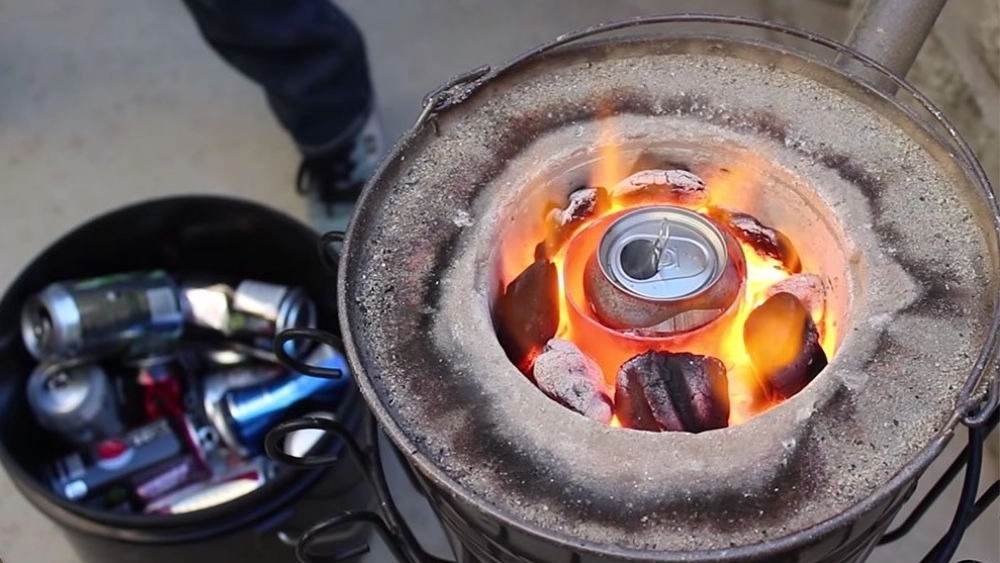
What is a rotary aluminum melt furnace?
Smelting rotary furnaces are cylindrical furnaces with two holes in both ends, which are used for melting non-ferrous metals. These furnaces are also suitable for metals such as cast iron, lead, zinc and copper. If the melting temperatures of the metals are close to each other, a rotary furnace can be used for them. But aluminum has a different rotary kiln due to its characteristics. Aluminum rotary melting furnace is mainly used for recycled aluminum, which can be used for high productivity.
What is the structure of aluminum melting furnace?
Aluminum rotary melting furnace is made of several layers. The outer layer is made of steel and the inner layer is made of alumina and silica, which are resistant to heat. These layers have a large diameter and cause the inner and outer diameter of the furnace to be different.
Aluminum rotary furnace consists of three parts: slow melting layer, combustion and melting. The slow melting layer in other furnaces such as lead and copper is made of refractory bricks. But the combustion and melting parts are the same in all furnaces. In the combustion section, oxygen gas and fuel react together and produce heat. This heat causes the aluminum to melt in the lower part of the furnace. The advantage of the aluminum rotary furnace is the smooth and regular movement of the furnace, which makes all raw materials melt well.
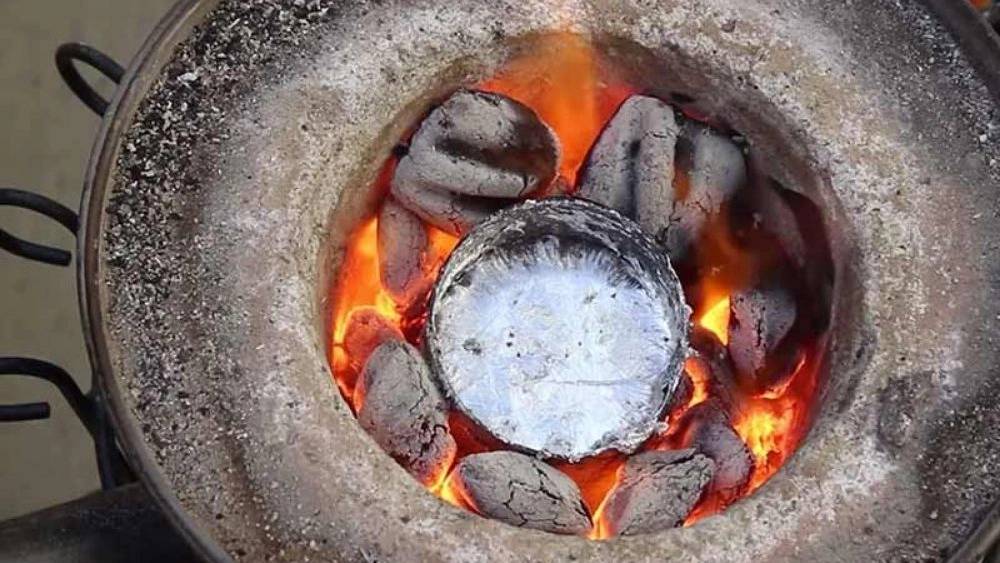
The effect of rotation speed of the rotary furnace on furnace efficiency
The rotation speed of the rotary kiln has a significant effect on its efficiency. Increasing the rotation speed of the furnace can help to improve the uniformity of heat and distribution of materials inside the furnace, which leads to the improvement of the quality of the final product. However, excessive speed can reduce the residence time of the material in the oven and thus reduce the completeness of the baking process. Therefore, the precise adjustment of the rotation speed is very important to achieve maximum efficiency and product quality.